
How to Store Tires Properly in Burlington When Winter Ends
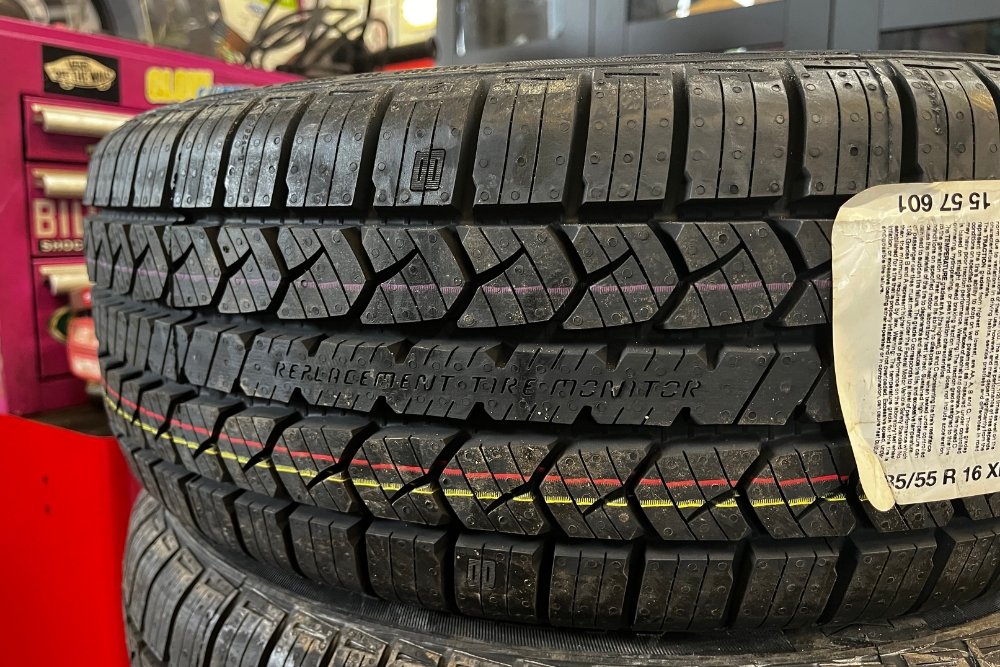
Spring in Burlington means one thing for your winter tires: they need a safe place to wait out the warm months. But here's what catches most drivers off guard. The rubber compounds that grip icy roads so well deteriorate faster sitting in storage than they do on your vehicle. At Girlington Garage, we help drivers understand that tire storage isn't just about finding space. It's about preserving rubber so your investment stays road-ready season after season. This guide covers the environmental factors destroying your tires, essential pre-storage cleaning, ideal storage conditions for Vermont homes, proper positioning methods, protective measures, and when replacement beats storage.
The Science Behind Tire Degradation During Vermont Summers
Winter tires aren't designed for warm weather, and that's exactly why storage matters so much. The softer rubber compounds that give winter tires their incredible grip on snow and ice become your enemy once temperatures climb above 50 degrees. These compounds literally cook in the heat, accelerating wear by up to 60% compared to cold weather use.
But here's what most drivers don't realize: the damage happens even when tires aren't on your vehicle. Heat exposure during storage breaks down the molecular bonds in rubber, causing microscopic cracks that spread over time.
What Happens to Stored Tires
UV Radiation: Breaks down rubber polymers at the molecular level
Ozone Exposure: Creates deep sidewall cracks invisible to the naked eye
Temperature Cycling: Causes rubber to expand and contract, weakening the structure
Moisture: Promotes internal corrosion on steel belts and causes mold growth
Weight Pressure: Forms permanent flat spots when tires sit in one position
The good news? Understanding these factors means you can prevent every single one.
Pre-Storage Preparation That Makes All the Difference
Before your winter tires go into hibernation, they need a proper send-off. Vermont roads leave behind salt, sand, brake dust, and road grime that create a corrosive cocktail continuing to damage rubber long after you've parked the tires.
Start with a strong spray from a garden hose to blast away loose debris. Focus on the tread grooves where sand and salt love to hide. Use a dedicated tire brush with mild dish soap and warm water.
Critical cleaning zones:
Tread depth channels where debris embeds
Sidewalls where salt residue concentrates
Bead area where the tire meets the wheel
Valve stem bases that trap moisture
Scrub in circular motions, then rinse thoroughly until the water runs clear. That white crusty residue on your sidewalls is salt actively eating away at rubber compounds. Let tires air dry completely for at least 24 hours before storage.
Need help evaluating your winter tires before storage? Schedule your tire inspection today at Girlington Garage. Call us at 802-247-7917 or visit us at 2 Harbor View Rd, South Burlington, VT 05403 for expert tire testing.
Choosing the Right Storage Location in Burlington
Your storage space should maintain temperatures between 50-70 degrees with humidity below 60%. Consistent conditions matter more than perfect conditions.
Best Storage Locations:
Basement: Usually ideal due to consistent cool temperatures and darkness
Interior Closet: Protects from temperature swings and keeps tires away from windows
Climate-Controlled Garage: Good if temperatures don't vary extreme amounts
Locations to Avoid:
Outdoor Sheds: Temperature swings of 40+ degrees destroy rubber faster than anything
Attics: Summer temperatures can exceed 120 degrees
Near Workshop Areas: Electric motors, welders, and compressors produce ozone that attacks rubber
Keep tires at least three feet away from any ozone-producing equipment. If you smell that sharp, electrical odor near your storage area, relocate your tires immediately. Direct sunlight degrades rubber faster than any other factor, so keep tires away from windows or cover them with opaque tire bags.
Storage Methods That Preserve Tire Shape
The method you choose depends entirely on whether your tires are mounted on wheels or stored as bare tires. Get this wrong, and you're setting yourself up for vibration problems next winter.
For Tires Mounted on Wheels
Stack them flat: Place tires horizontally on top of each other, creating a tower. The wheel structure distributes weight evenly, preventing deformation.
Reduce pressure: Drop air pressure to around 15 PSI before stacking. This prevents stress on sidewalls during long-term storage.
Use separators: Place cardboard sheets between each tire to prevent rubber from sticking together.
Limit height: Keep stacks to four tires maximum to avoid excessive pressure on bottom tires.
For Unmounted Tires (Tires Only, No Wheels)
Stand them upright: Position tires vertically like books on a shelf. This distributes weight naturally across the tread.
Rotate monthly: Turn each tire 90 degrees once per month to prevent flat spots from developing.
Use tire racks: Specialized vertical storage racks keep tires organized and make rotation easier.
Never hang or stack them: Hanging unmounted tires on hooks stretches the bead area, while stacking crushes the bottom tire's sidewalls under combined weight above.
Think of unmounted tires like standing paperback books. They're designed to support their own weight vertically, not to bear the weight of others horizontally.
Protection Beyond the Basics
Quality tire storage bags create a microenvironment that shields rubber from the elements. Look for bags made from breathable materials that block UV light but allow moisture to escape. Completely sealed bags trap humidity and promote mold growth. Dark-colored bags provide better UV protection than lighter options.
Label each bag with the tire's vehicle position using painter's tape and permanent marker. Note the date you stored them in. This tracking helps you maintain proper rotation patterns when you reinstall next fall.
When Storage Doesn't Make Sense
Sometimes the smartest move is replacement rather than storage. Before dedicating space and effort to storing winter tires, evaluate whether they're worth keeping around.
Replace tires if:
Tread depth measures below 4/32 inch using the penny test
Sidewalls show cracks, bulges, or weather checking
Tires are more than six years old, regardless of tread depth
Uneven wear patterns indicate alignment or suspension issues
Our ASE-certified technicians at Girlington Garage provide comprehensive tire testing to evaluate whether your winter tires have another season left. We measure tread depth across multiple points, inspect for internal damage, and check manufacturing dates stamped on sidewalls.
The Fall Changeover: Burlington Drivers' Guide to Reinstalling Stored Tires
When Burlington temperatures drop and winter returns in the fall, proper reinstallation ensures your stored winter tires perform as expected. Remove tires from storage at least 24 hours before installation, allowing them to warm to ambient temperature. Cold rubber lacks flexibility and becomes difficult to mount properly.
Professional installation includes:
Cleaning wheel mounting surfaces to remove rust and corrosion
Balancing tires to eliminate vibrations
Torquing lug nuts to manufacturer specifications
Testing alignment to ensure even wear patterns
At Girlington Garage, our tire service covers every detail from inspection through installation. We use calibrated equipment and follow precise specifications for your vehicle. Our 3-year/36,000-mile warranty on all work means you can trust the quality of every service we provide. We also offer convenient loaner cars and contactless drop-off options, making seasonal tire changes hassle-free for drivers throughout South Burlington, Shelburne, Williston, and surrounding communities.
FAQs About Winter Tire Storage in Vermont
How should I store my winter tires?
Store winter tires in a cool, dry, dark location away from direct sunlight, ozone sources, and temperature extremes. Clean tires thoroughly before storage, reduce air pressure if mounted on wheels, and use tire bags for protection. Stack mounted tires horizontally or store unmounted tires vertically with monthly rotation to prevent flat spots and sidewall damage.
Is it OK to store tires in a garage?
Yes, storing tires in a garage works well if the space stays cool, dry, and away from direct sunlight. Keep tires covered with opaque bags or tarps, position them away from windows, and ensure they're not near electric motors or welders that produce ozone. Garage temperatures should remain below 75 degrees for optimal tire preservation.
Can I store tires in plastic bags?
You can store tires in plastic bags, but use breathable tire storage bags specifically designed for this purpose. Avoid completely airtight plastic that traps moisture and promotes mold growth. Ensure tires are completely dry before bagging, and choose dark-colored bags that block UV light while allowing air circulation.
How long can you store winter tires?
You can store winter tires for six months between seasons without issues when using proper storage methods. With correct storage conditions, including cool, dry, dark locations and appropriate positioning, quality winter tires often last six to eight seasons. Replace tires after six years regardless of tread depth due to rubber compound degradation.
Do tires get damaged in storage?
Tires can get damaged in storage if exposed to direct sunlight, excessive heat, ozone, or moisture. Improper positioning causes flat spots and sidewall deformation. However, tires stored correctly in cool, dark, dry locations with proper cleaning and positioning beforehand experience minimal degradation and maintain full performance capability for years.
Protect Your Tire Investment: Schedule Service in South Burlington Today
Ready to prepare your winter tires for seasonal storage or schedule your spring tire changeover? Schedule your tire service today with our trusted team. Visit us at Girlington Garage, 2 Harbor View Rd, South Burlington, VT 05403, or call us at 802-247-7917 to book your appointment. We serve drivers throughout Burlington, Shelburne, Williston, Winooski, Colchester, Richmond, and Hinesburg with quality care delivered with respect.